Welcome to our first edition of 5 Things We’re Watching in California health care and health policy. Health Policy Commons is nonpartisan, policy agnostic, and multi-silo. It’s a state-level news site and conference series for folks at work to build a better health care system.
I hope you’ll be willing to give us a shot at taking up space in your inbox. We’ll have one or two editions per month, and some information about our February conference as the event draws closer. As a thank you, I’m happy to give you free access to our content at our site. Sign in here and use the code “CA-ThankYou” for free access through the end of the year.
This is the last week of the legislative session, and the set of health policy matters has narrowed. One of the bills most likely to pass is AB 2161, which modifies California’s approach to work requirements in Medi-Cal starting January 1, 2027. It has broad support from progressives who otherwise oppose the HR 1 policy of “community engagement.”
The bill creates an interesting wrinkle in the state’s strategy to implement HR 1. The net result may well stall the actual removal of coverage for people not meeting community engagement requirements.
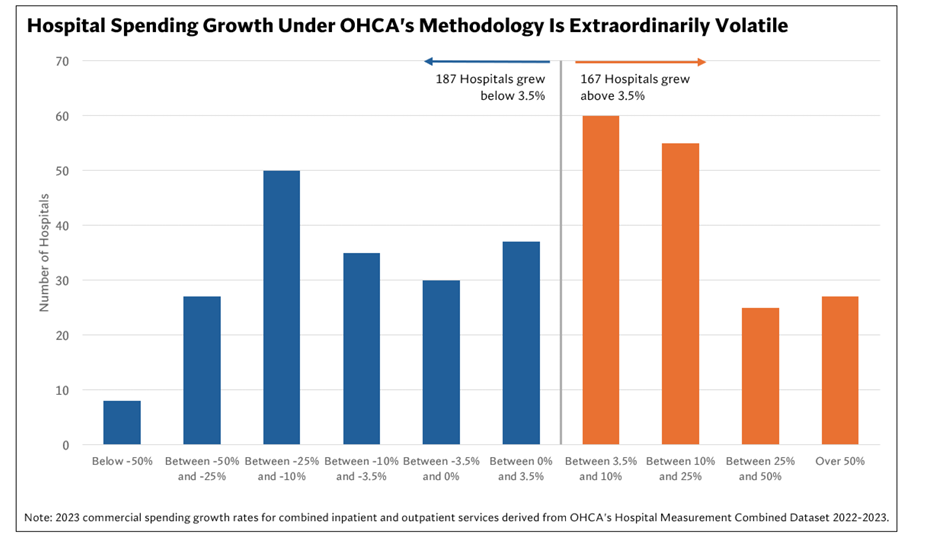
The Health Care Affordability Board votes Wednesday on the penalties for health care entities associated with missing cost growth projections. Penalties will also be assessed based on how timely entities report their data.
This has real teeth. 2026’s cost target is 3.5%. From OHCA’s deputy director, explaining the consequence of Wednesday’s vote: “If 2023 were an enforceable year, ‘initially commensurate’ penalties would have ranged from $4m to $350m.” The proposal has generated over 300 pages of public comments.
California’s award from CMS of $233m annually in Rural Health Transformation funds faces the challenge and possibility of an administrative bottleneck. It’s just hard to move that amount of money in targeted grants quickly. The RHT portal went live in late July. Since then, only about half of the grant dollars appear to have been posted.
All funds must be awarded and “obligated” by October 30th. Once an awardee receives the funding, they must have all of the funds spent before the next federal fiscal year ends Sept. 30, 2027.
Medi-Cal enrollment among local health plans is down 3.3% over the first quarter of 2026, according to the Financial Solvency Standards Board. These plans produced a combined net income of $487m during the period, improving over a Q4 2025 loss of $127m. Among the full service health plans across all lines of business, 1 in 3 plans had less than a 100% cash-to-claims ratio.
Twenty-five risk bearing organizations (RBOs) are currently on a corrective action plan by DMHC, the highest number of the last four years. Eight of those are “not meeting projections” in their plan, again, the highest number cited in the report. Among RBOs taking Medi-Cal, enrollment is down 17.2% year over year, and 36.5% since March 2024.
Proposition 44 on the November ballot requires FQHCs to spend at least 90% of their total revenue on “activities that accomplish each clinic’s exempt purpose,” or “mission spend.” This amount appears to exclude things like IT, admin salaries, HR, billing, or anything else typically associated with “Management.” A report by the opposition says 183 of 202 FQHCs would fail to meet this threshold, resulting in $1.7 billion in penalties.
SEIU-UHW has raised almost $17m for this and other initiatives. The opposition has also raised just shy of $17m so far, with AltaMed health centers having contributed about $5.5m and CPCA with $2m. No public polling on this initiative is out, but it’ll be consequential regardless of how this turns out.
Health Policy Commons
Browse by state